
Most people book a massage the way they pick a restaurant in a hurry. They glance at the menu, guess, and hope for the best. Sometimes it works out. Often you end up with a session that isn’t quite what you pictured: too firm when you wanted calm, too gentle when you wanted a knot worked out, or a style you didn’t realise involved so much stretching.
This isn’t a technique manual, and it isn’t a sales pitch. It’s a long, practical guide to the choices that matter before you lie down on the table, written for anyone thinking about a body massage in Bandra for the first time or the fifth. Take what’s useful and skip what isn’t.
Why the massage menu feels so confusing
Open any spa menu and you’ll see a row of names: Swedish, deep tissue, Thai, Balinese, hot stone, aromatherapy, reflexology. Most menus don’t tell you what the session actually feels like, how firm it is, or who it’s meant for. You’re left guessing from the name alone.
There’s also a quiet pressure to pick “the right one” immediately. That pressure is mostly imaginary. There’s no single correct massage. There’s only the one that fits how you feel on a particular day. A person who loves deep tissue in March might want something gentle and slow in July, and that’s completely normal.
A simple way to cut through the confusion is to stop reading the names and start asking three questions about yourself:
- What does my body feel like right now? Tight, stiff, heavy, achy, or perfectly fine?
- What does my mind feel like? Racing, flat, tired, or just overloaded?
- What do I want to feel like afterwards? Calm and sleepy, loose and mobile, or refreshed and lighter?
Once you’ve answered those, the menu stops looking like a foreign language. Each style becomes a tool for a particular job.
Step one: decide what you’re actually after
People usually book a massage for one of four reasons, and it helps to know which one is yours.
To switch off. If your head is full and your body is mostly fine, you want a session that quiets things down. Slow rhythm, gentle to medium pressure, minimal talking.
To work on a specific tight area. Shoulders, neck, upper back, lower back, calves. Here you want firmer, more focused work, and you want to be able to tell the therapist exactly where.
To feel looser and move better. If you feel stiff or restricted rather than knotted, a session that includes guided stretching tends to suit you more than one that only works the muscles in place.
To mark an occasion or treat yourself. A birthday, an anniversary, a wedding in the family, or just a hard month. In this case the atmosphere, the products and the feeling of being looked after matter as much as the technique.
None of these reasons is better than another. But knowing yours makes the conversation with the therapist far easier, because “I’d like to switch off after a heavy week” gives them much more to work with than “I’ll take whatever’s popular.”
The big three: Swedish, deep tissue and Thai
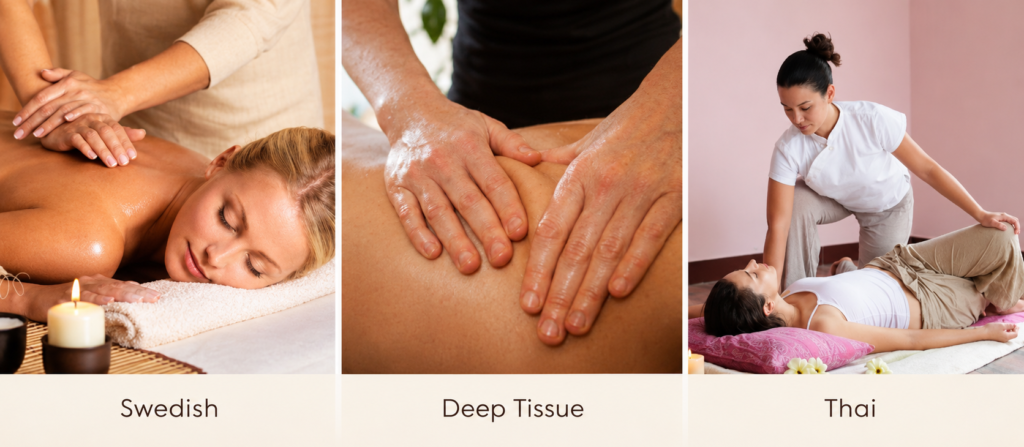
If you only learn three styles, learn these. They’re the most commonly offered, and they behave very differently.
Swedish massage: smooth, rhythmic and calming
Swedish is the style most people picture when they imagine a massage. The therapist uses oil and long, flowing strokes, with light to medium pressure. The rhythm is steady and predictable, which is a big part of why it feels so soothing.
Who it tends to suit:
- First-timers who want to ease in
- People carrying general stress rather than one stubborn knot
- Anyone who wants the session to feel like a pause button
What it feels like: Warm, smooth and slow. It’s common to drift towards sleep. You won’t usually feel any sharp or intense moments.
What to keep in mind: Swedish massage may help relieve muscle tension and promote relaxation, but it isn’t designed to dig into deep, long-standing knots. If you walk in wanting firm, concentrated pressure on one spot, it may feel too light for you. That’s not a flaw in the massage, just a mismatch of expectations.
Deep tissue massage: slow, firm and focused
Deep tissue works on the deeper layers of muscle using slower strokes and firmer pressure. It’s the style people usually reach for when their shoulders, neck or lower back feel locked up.
Who it tends to suit:
- People who spend long hours at a desk, on a laptop or on their phone
- Anyone with recurring tightness in the same places
- Those who genuinely like firm pressure
What it feels like: Intense in places, in a “good, slightly uncomfortable” way. It should never cross into sharp or unbearable pain. If it does, that’s your cue to speak up straight away.
What to keep in mind: There’s a common belief that firmer always means better. It doesn’t. When pressure is too much, your body tenses up to protect itself, and a tense muscle can’t release. The aim isn’t to endure the most pressure you can. It’s to find the level your muscles can actually relax into. Many people also feel a bit tender the next day after deep work, so don’t schedule it right before something physically demanding.
Thai massage: active, assisted and stretch-based
Thai massage is the odd one out. It’s usually done on a mat rather than a table, with you fully clothed, and the therapist guides your body through assisted stretches while applying rhythmic pressure along the body. There’s often little or no oil.
Who it tends to suit:
- People who feel stiff, creaky or restricted rather than knotted
- Anyone who prefers a more active, movement-based session
- Those who don’t enjoy oil on their skin
What it feels like: Part massage, part guided stretching. You’re moved into different positions, so it’s far more engaging than lying still. Many people say they feel looser and lighter afterwards.
What to keep in mind: Thai massage may help ease stiffness and improve how freely you move, but it asks more of your body than Swedish does. Tell the therapist about tight joints, past injuries or anything that doesn’t bend the way it used to. If a stretch feels like too much, say so. A good therapist will back off.
A quick way to choose between the three
- Mind busy, body mostly okay: Swedish
- Knotted shoulders, neck or back from sitting: Deep tissue
- Stiff, tight, want to move better: Thai
- Honestly no idea: start with Swedish, or ask the therapist what they’d suggest for how you feel today
Beyond the big three: other styles worth knowing
Once you’ve tried one or two of the basics, the rest of the menu starts to make sense. Here’s a plain-English look at some other styles you may come across. I’ve kept this to what each is generally known for, so check with the spa about how they offer each one.
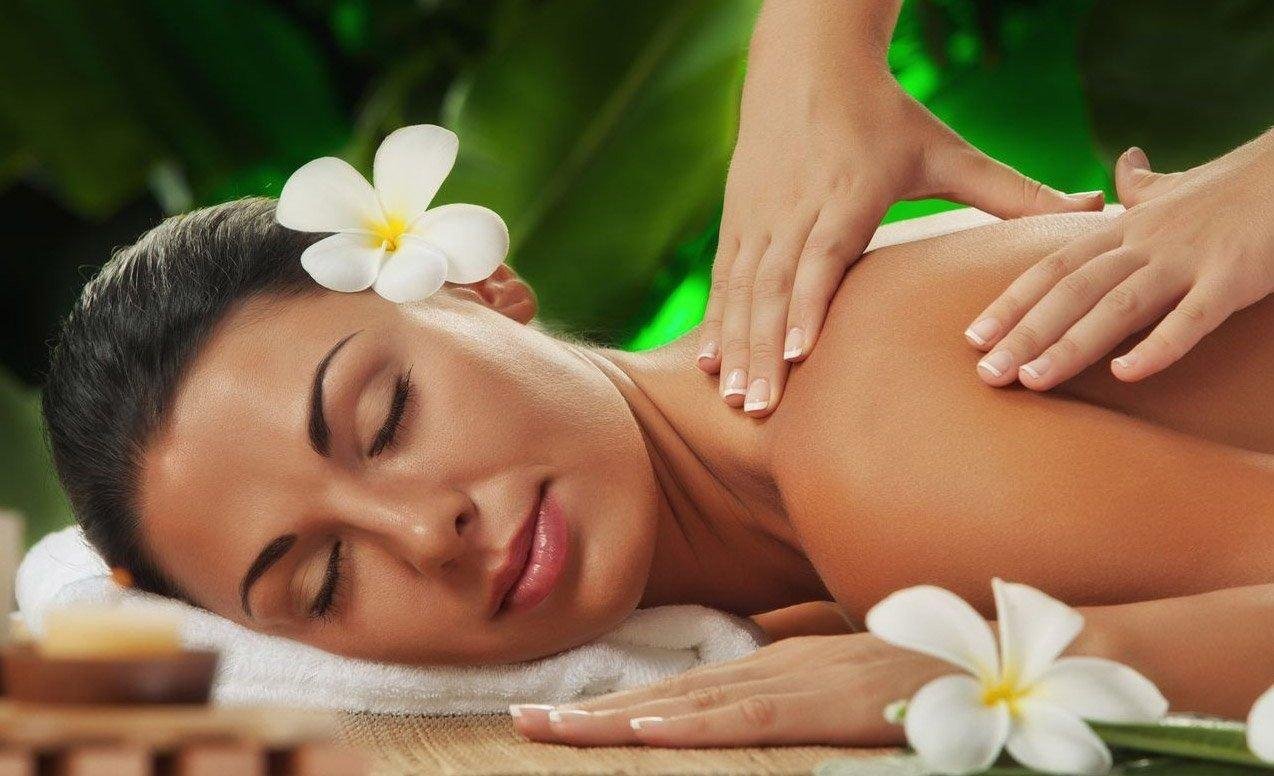
Balinese massage. Usually a blend of long strokes, gentle stretching and focused pressure, often described as a middle path between soothing and firm. If you can’t decide between Swedish and deep tissue, it’s often worth a look.
Indian massage. Traditional Indian approaches often use warm oils and rhythmic, flowing techniques, and are closely tied to the idea of whole-body balance. It’s a natural fit for people who want something grounded and unhurried.
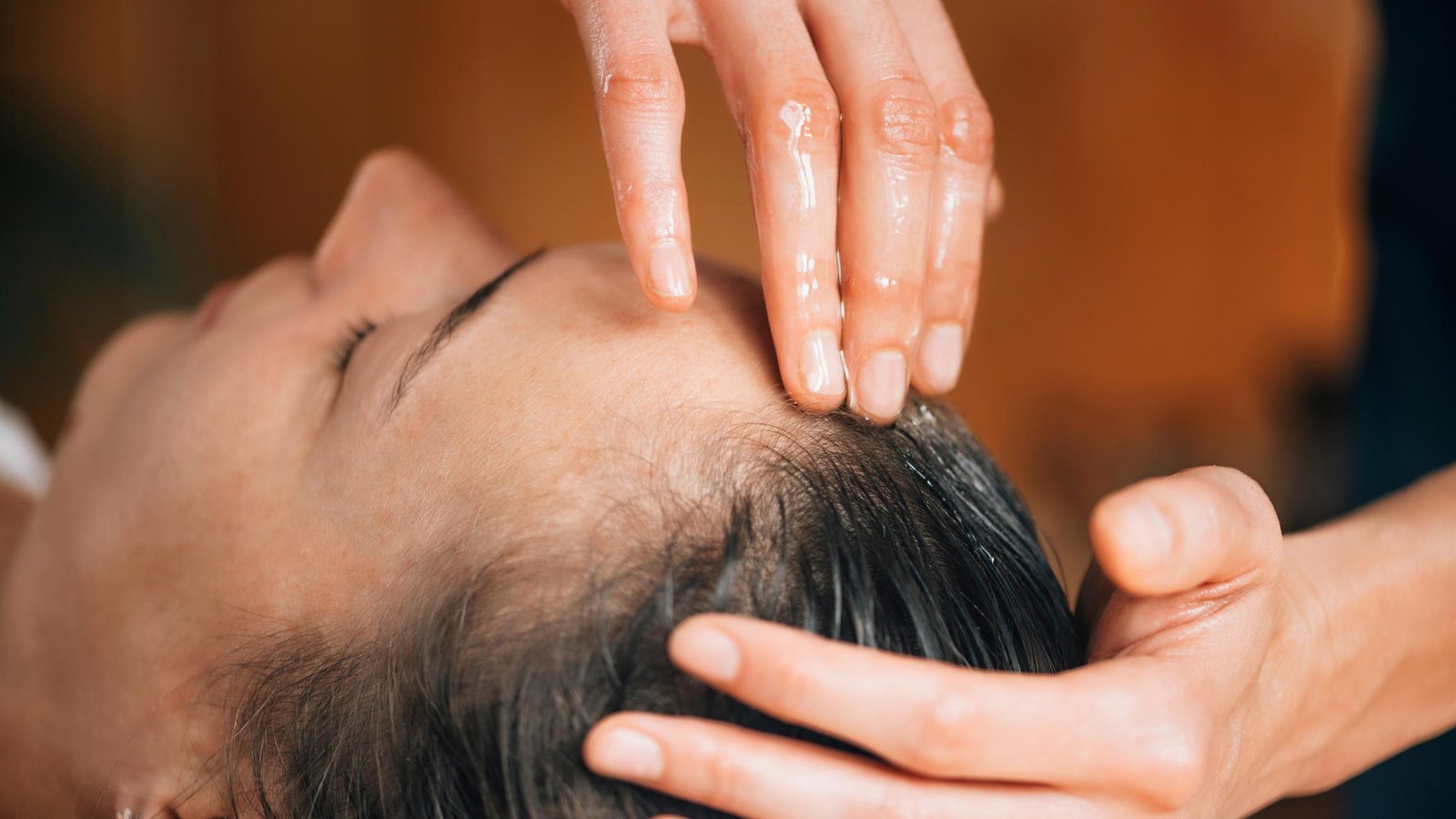
Indian champi (head massage). A focused session on the scalp, neck and shoulders. It’s popular with people who spend a lot of time on screens and feel it mostly in the head and upper body. It’s also a good choice if you want a shorter, simpler treatment.
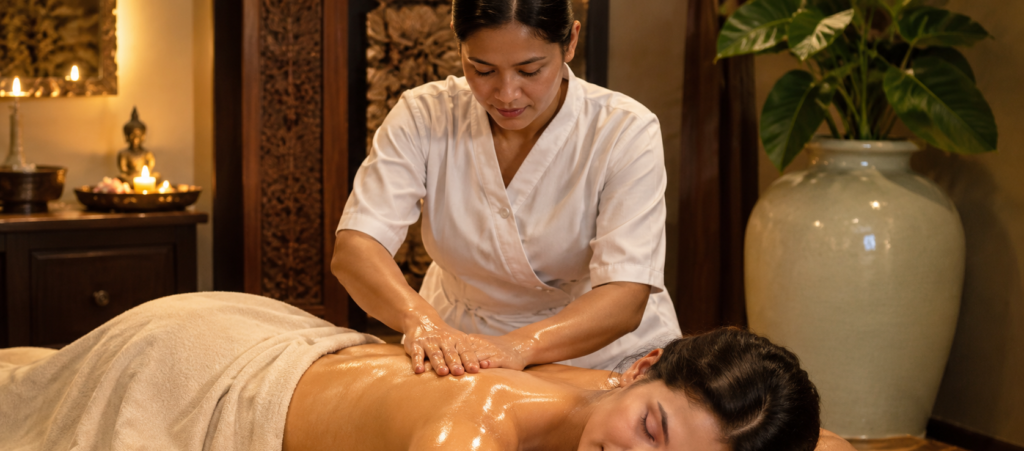
Malaccan trigger point massage. Trigger points are small, tender spots in a muscle that can feel tight or sore when pressed. This style focuses on those specific spots. It tends to suit people with a clear, repeated problem area rather than general tension.
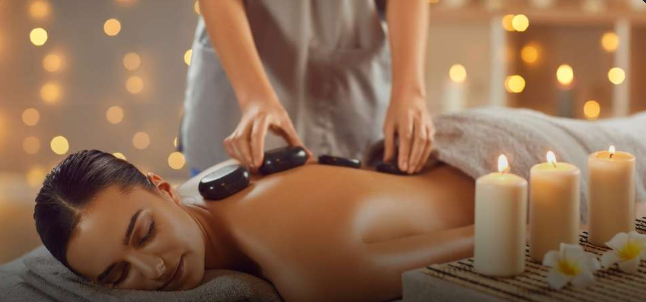
Hot stone and herbal compress. These use heat, in the form of warm stones or warm herbal bundles, alongside massage. Many people find the warmth deeply relaxing, and it can feel especially good if your muscles feel cold, tight or stiff.
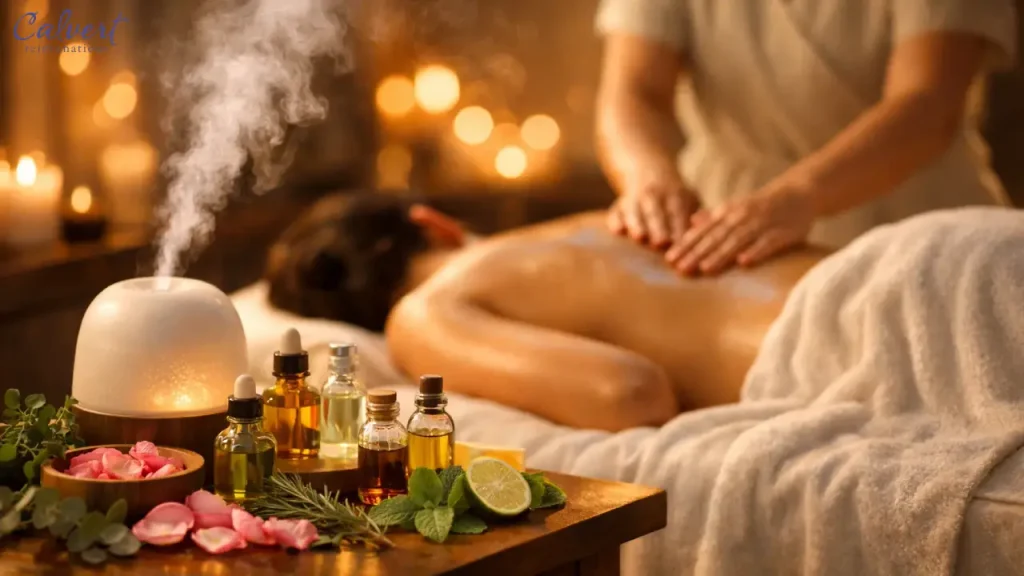
Aromatherapy massage. Here the oils are chosen for their scent as well as for the massage itself. If you’re sensitive to smells, tell the team beforehand. If you love them, it can make the session feel more calming.
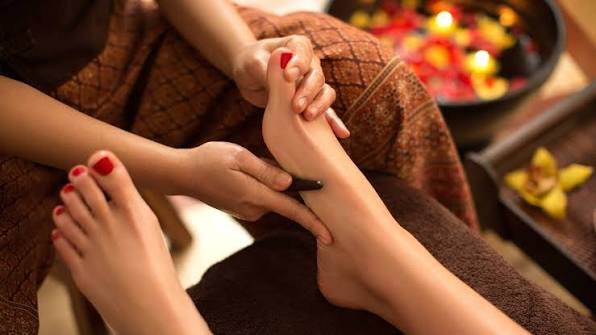
Reflexology. Focused on the feet (and sometimes hands), working on specific pressure points. It’s a good option if you want something relaxing without undressing or lying on your front, or if you’ve been on your feet all day.
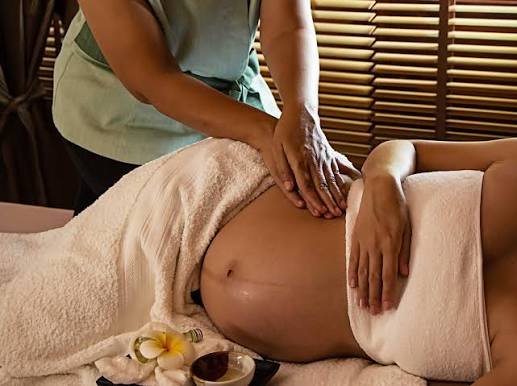
Pregnancy massage. A different category entirely, because positioning, pressure and what’s suitable change during pregnancy. This one should always be discussed with your doctor first, and booked specifically as a pregnancy session rather than a regular one.
A few other treatments sit alongside massage on many spa menus, such as body polishing, de-tan treatments, body wraps and facials. These are skin and body care rather than muscle work, and they’re worth considering if what you really want is to feel refreshed rather than loosened. Couple sessions and gift vouchers are also common if you’re planning something for two, or for someone else.
Pressure is not a test
If there’s one thing worth remembering from this whole guide, it’s this: a good massage doesn’t have to hurt, and asking for lighter or firmer pressure isn’t rude.
Plenty of people stay silent because they feel they should be tougher, or because they don’t want to interrupt. But if you’re clenching your jaw, holding your breath or curling your toes, your body is bracing, not releasing. That works against the whole point of the session.
Here are a few simple phrases that help:
- “Could you go a little lighter on this area?”
- “That’s good, a bit more pressure please.”
- “That spot is tender. Can we ease off there?”
- “I’d like to keep the rest of the session gentle.”
A good therapist would much rather adjust than have you suffer quietly. It’s your hour. Use it.
Your day matters more than your diagnosis
It’s easy to choose a massage based on a single complaint: “my back hurts” or “my neck is stiff.” But how you feel on the day counts just as much as the complaint itself.
Say your shoulders are tight, but you also had a draining week and your head is buzzing. A firm deep tissue session might leave you feeling worked over rather than restored. A slower, softer session, perhaps with a focus on the shoulders, could suit you better that day.
Or say you’re feeling fine mentally, but you’ve been sitting for ten hours and your hips and back feel locked. That’s a good day for something that gets you moving, like a stretch-based style.
The point isn’t to overthink it. It’s just worth pausing before you book and asking, “What do I need today?” rather than “What did I have last time?”
Massage and the rhythm of life in Bandra
Where you live and work shapes how you use a spa more than most people admit. A great massage that takes ninety stressful minutes to reach tends to become a once-a-year event. A good one that fits your routine becomes something you actually do.
Bandra West makes this easier than most of Mumbai. If you work around BKC, you can plan a session after work without crossing the city. If you live near Linking Road, Carter Road or Bandstand, or you’re based in Khar, a central spot means a short trip rather than a major expedition. Weekends add another option: a slow morning with no traffic, followed by a late brunch, is a very different experience from squeezing a booking between meetings.
Think about when you’ll actually feel relaxed enough to enjoy it. Rushing from the office, sitting in traffic and arriving flustered can use up half the benefit. Booking a slot with some buffer on either side, even just fifteen minutes before and after, makes a noticeable difference.
If you’re looking for somewhere to start, Moksham Spa has been running in Mumbai since 2010 and offers a fusion of Indian and global massage traditions. If you want to try a deep tissue session on Hill Road, that’s where I’d start. It’s easy to reach from Linking Road and the wider Bandra West area, and the range of styles on the menu means you can pick based on how you feel, then change it up next time.
What a first visit usually looks like
Not knowing what happens is one of the biggest reasons people put off their first massage. Here’s a general picture. Exact details vary from spa to spa, so treat this as a guide rather than a script.
Before you arrive. Try to turn up a little early. Wear something comfortable, and avoid a heavy meal right beforehand. If you have any injuries, health conditions or allergies, think about how you’ll mention them.
At the start. You’ll typically be asked a few questions about how you’re feeling, what you’d like to focus on, and anything the therapist should avoid. This is the best moment to be specific. “Shoulders and upper back, medium pressure, and I’d like a quiet session” is perfect.
Getting settled. For most styles, you’ll undress to a level you’re comfortable with and lie on the table under a towel or sheet. Only the area being worked on is uncovered at any one time. For Thai massage, you usually stay clothed. If you feel uneasy at any point, say so. You’re always in control.
During the session. Expect the therapist to check in about pressure early on. After that, you can talk if you want or stay quiet. Both are completely fine. Many people prefer silence, and a good therapist will follow your lead.
At the end. You’ll be given a moment to come round, and often some water. Take your time getting up. It’s normal to feel a little light-headed or sleepy.
Afterwards. Don’t rush straight into a stressful meeting or a long drive if you can avoid it. A few quiet minutes helps you hold on to the calm.
Common mistakes worth avoiding
Most disappointing massages come down to a handful of avoidable issues.
Choosing by the name alone. “Deep tissue” sounds impressive and “Swedish” sounds basic, but neither is better. Pick by how you feel.
Staying quiet about pressure. This is the biggest one. If something isn’t right, say it early. It’s much harder to fix once the session is half over.
Not mentioning injuries or conditions. Past injuries, tender areas, recent surgery, pregnancy or medical conditions all affect what’s suitable. Tell the team before you start, not halfway through.
Booking at the last minute between commitments. If you’re watching the clock the whole time, you won’t relax. Leave breathing room.
Expecting one session to fix everything. A single massage may help relieve tension and leave you feeling better, but it isn’t a cure for long-standing problems. If something has been bothering you for months, see a doctor.
Going in on an empty or overfull stomach. A light snack an hour or two before is usually more comfortable than either extreme.
Skipping water afterwards. It’s simple, but easy to forget. A glass of water and a short rest are worth it.
Looking after yourself afterwards
What you do in the hours after a massage can make the benefit last longer.
- Drink water. It’s a small habit that most spas recommend.
- Take it easy. Avoid heavy workouts straight afterwards, especially after deep tissue or stretch-based work.
- Notice how you feel. A bit of tenderness the next day is common after firmer styles. If something feels genuinely wrong or painful, contact a doctor.
- Give yourself a gentle evening. If you can, avoid a late night, heavy meal or stressful screen time straight after.
- Make a note of what worked. Which style, how much pressure, what you’d change. It makes your next booking much easier.
When to talk to a doctor first
Massage suits many people, but not everyone and not at every time. It’s sensible to speak to a doctor before booking if:
- You’re pregnant, or trying to be
- You have an injury, a recent surgery or ongoing pain
- You have a medical condition, such as a circulation issue, a skin condition or a heart condition
- You’re taking medication that affects your blood or skin
- You’ve been told to avoid pressure on certain areas
You should also tell the spa team about any of these before your session begins, so they can adjust or recommend something different.
How often should you book?
There’s no universal answer, and anyone who gives you a fixed number is simplifying. It depends on your goals, your schedule and your budget.
Some people book when they feel they need it. Others set up a regular rhythm, such as once a month, as part of looking after themselves. Neither is wrong. If you’re curious, try one session, notice how long the good feeling lasts, and let that guide your timing.
A useful way to think about it: if you only go when you’re completely worn out, each session has a lot to undo. If you go a little more regularly, it often feels more like maintenance than rescue.
Questions to ask before you book
You don’t need to be an expert. A few simple questions go a long way:
- Which style would you suggest for how I’m feeling today?
- Can I ask for lighter or firmer pressure during the session?
- Is there anything I should tell you about before we begin?
- How long is the session, and does that include time to settle in and finish?
- Is there anything I should avoid doing before or after?
A good team will welcome these questions rather than rush past them.
Frequently asked questions
Which massage is best for a first visit?
Many people start with Swedish because the pressure is gentle and easy to adjust. But if you already know you carry tension in your shoulders and back, a lighter version of deep tissue is also a reasonable place to begin. When in doubt, ask the therapist.
Will a massage hurt?
It shouldn’t hurt in a sharp or bad way. Firm styles can feel intense in places, but you’re always allowed to ask for less pressure.
What should I wear?
Wear something comfortable that’s easy to change out of. For Thai massage, loose, stretchy clothing works best, since you stay dressed.
Do I have to undress completely?
No. You undress to whatever level you’re comfortable with, and you’re covered throughout. Only the area being worked on is uncovered.
Should I talk during the massage?
Only if you want to. Speak up about pressure or discomfort, but otherwise silence is perfectly normal.
Is it okay if I fall asleep?
Absolutely. Many people do, especially during slower styles.
Can I switch styles on my next visit?
Of course. Plenty of people choose based on how their body feels at the time.
Is it okay to book a massage when I’m pregnant?
Only after speaking to your doctor, and it should be booked as a pregnancy session specifically. Not every style or position is suitable.
What if I’m not sure what to pick?
Tell the team how you’re feeling and what you’d like to feel afterwards. That’s usually enough for them to point you in the right direction.
How I’d approach a first visit
If I were booking for the first time, I’d keep it simple. I’d pick a style that matches how I feel that day, tell the therapist honestly what I want, and speak up the moment the pressure wasn’t right. I’d leave a little time on either side so I wasn’t rushing, and I’d treat the first session as a way of learning what my body likes.
After that, choosing gets much easier. You’ll know whether you lean towards soft or firm, quiet or active, and you’ll walk in knowing what to ask for. That’s really all a good body massage in Bandra needs: a little honesty about how you feel, and a place where it’s easy to ask.
A note on safety: if you have an injury, are pregnant, or have a medical condition, please speak to your doctor before booking any massage. Massage may help relieve tension, but it isn’t suitable for everyone.