
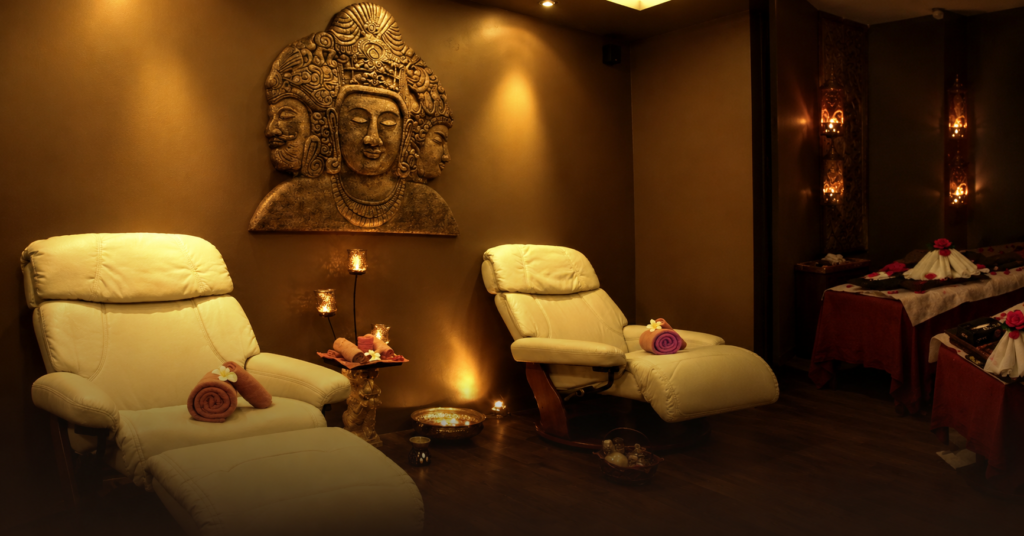
What I’d Want to Know Before Booking a Body Massage in Bandra
Most people book a massage the way they pick a restaurant in a hurry. They glance at the menu, guess, and hope for the best. Sometimes it works out. Often you end up with a session that isn’t quite what you pictured: too firm when you wanted calm, too gentle when you wanted a knot worked out, or a style you didn’t realise involved so much stretching. This isn’t a technique manual, and it isn’t a sales pitch. It’s a long, practical guide to the choices that matter before you lie down on the table, written for anyone thinking about a body massage in Bandra for the first time or the fifth. Take what’s useful and skip what isn’t. Why the massage menu feels so confusing Open any spa menu and you’ll see a row of names: Swedish, deep tissue, Thai, Balinese, hot stone, aromatherapy, reflexology. Most menus don’t tell you what the session actually feels like, how firm it is, or who it’s meant for. You’re left guessing from the name alone. There’s also a quiet pressure to pick “the right one” immediately. That pressure is mostly imaginary. There’s no single correct massage. There’s only the one that fits how you feel on a particular day. A person who loves deep tissue in March might want something gentle and slow in July, and that’s completely normal. A simple way to cut through the confusion is to stop reading the names and start asking three questions about yourself: Once you’ve answered those, the menu stops looking like a foreign language. Each style becomes a tool for a particular job. Step one: decide what you’re actually after People usually book a massage for one of four reasons, and it helps to know which one is yours. To switch off. If your head is full and your body is mostly fine, you want a session that quiets things down. Slow rhythm, gentle to medium pressure, minimal talking. To work on a specific tight area. Shoulders, neck, upper back, lower back, calves. Here you want firmer, more focused work, and you want to be able to tell the therapist exactly where. To feel looser and move better. If you feel stiff or restricted rather than knotted, a session that includes guided stretching tends to suit you more than one that only works the muscles in place. To mark an occasion or treat yourself. A birthday, an anniversary, a wedding in the family, or just a hard month. In this case the atmosphere, the products and the feeling of being looked after matter as much as the technique. None of these reasons is better than another. But knowing yours makes the conversation with the therapist far easier, because “I’d like to switch off after a heavy week” gives them much more to work with than “I’ll take whatever’s popular.” The big three: Swedish, deep tissue and Thai If you only learn three styles, learn these. They’re the most commonly offered, and they behave very differently. Swedish massage: smooth, rhythmic and calming Swedish is the style most people picture when they imagine a massage. The therapist uses oil and long, flowing strokes, with light to medium pressure. The rhythm is steady and predictable, which is a big part of why it feels so soothing. Who it tends to suit: What it feels like: Warm, smooth and slow. It’s common to drift towards sleep. You won’t usually feel any sharp or intense moments. What to keep in mind: Swedish massage may help relieve muscle tension and promote relaxation, but it isn’t designed to dig into deep, long-standing knots. If you walk in wanting firm, concentrated pressure on one spot, it may feel too light for you. That’s not a flaw in the massage, just a mismatch of expectations. Deep tissue massage: slow, firm and focused Deep tissue works on the deeper layers of muscle using slower strokes and firmer pressure. It’s the style people usually reach for when their shoulders, neck or lower back feel locked up. Who it tends to suit: What it feels like: Intense in places, in a “good, slightly uncomfortable” way. It should never cross into sharp or unbearable pain. If it does, that’s your cue to speak up straight away. What to keep in mind: There’s a common belief that firmer always means better. It doesn’t. When pressure is too much, your body tenses up to protect itself, and a tense muscle can’t release. The aim isn’t to endure the most pressure you can. It’s to find the level your muscles can actually relax into. Many people also feel a bit tender the next day after deep work, so don’t schedule it right before something physically demanding. Thai massage: active, assisted and stretch-based Thai massage is the odd one out. It’s usually done on a mat rather than a table, with you fully clothed, and the therapist guides your body through assisted stretches while applying rhythmic pressure along the body. There’s often little or no oil. Who it tends to suit: What it feels like: Part massage, part guided stretching. You’re moved into different positions, so it’s far more engaging than lying still. Many people say they feel looser and lighter afterwards. What to keep in mind: Thai massage may help ease stiffness and improve how freely you move, but it asks more of your body than Swedish does. Tell the therapist about tight joints, past injuries or anything that doesn’t bend the way it used to. If a stretch feels like too much, say so. A good therapist will back off. A quick way to choose between the three Beyond the big three: other styles worth knowing Once you’ve tried one or two of the basics, the rest of the menu starts to make sense. Here’s a plain-English look at some other styles you may come across. I’ve kept this to what each is generally known for, so check with the spa about how they offer each one. Balinese
What I’d Want to Know Before Booking a Body Massage in Bandra Read More »